




Physical activity and exercise: integrate movement into your routine
11 June 2025
Today we have the pleasure of hosting Silvano Zanuso, scientific director of the Wellness Foundation and Technogym, who will talk to us about the importance of staying physically active at any age.
Simona Rattini - Radio Cortina
In the last episode with the Foundation’s Director, Dr Federica Alberti, we talked about the Wellness Lifestyle Pyramid, a tool that illustrates everyday activities that are able to produce benefits for our health and general well-being and that is based on the three pillars of Wellness, a positive mental approach, healthy nutrition and movement.
Today we take a closer look at the latter – what is meant by movement?
In the last episode with the Foundation’s Director, Dr Federica Alberti, we talked about the Wellness Lifestyle Pyramid, a tool that illustrates everyday activities that are able to produce benefits for our health and general well-being and that is based on the three pillars of Wellness, a positive mental approach, healthy nutrition and movement.
Today we take a closer look at the latter – what is meant by movement?
Silvano Zanuso
First of all, when we talk about movement, we must make a distinction between physical activity, exercise and sport.
Physical activity is defined as a movement of the body that generates a higher energy expenditure than in resting conditions. For example: a brisk walk, cycling, taking the stairs, all actions that we can do every day.
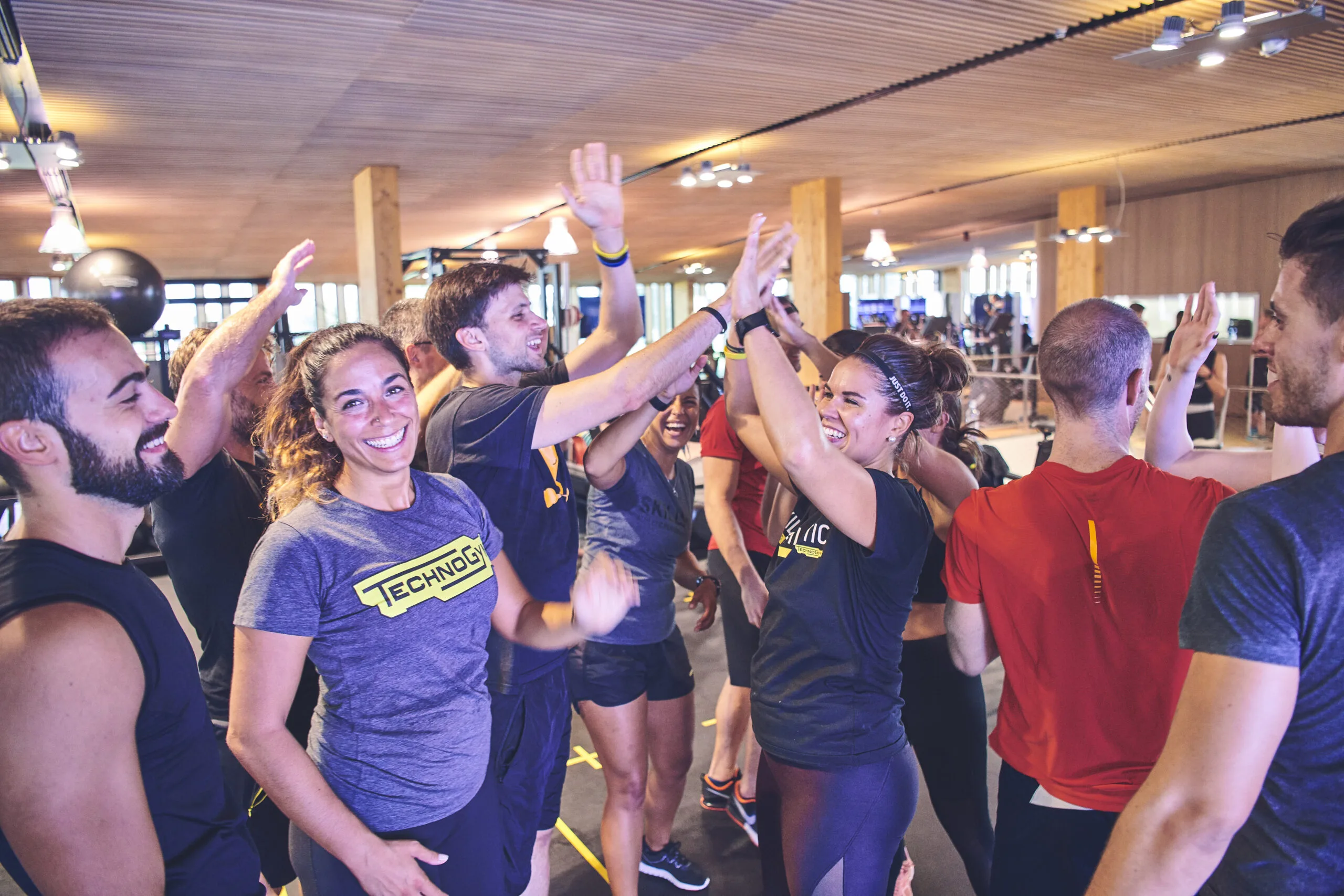
By exercise, on the other hand, we mean that type of physical activity carried out in a structured and planned manner, with a specific objective. Again, if we want to give examples, we can think of a good weights session in the gym, with the aim of improving strength.
Finally, there is sport, which is practised according to precise rules, often in competition with others. In a context like Cortina, I am thinking of skiing or curling.
What all three have in common is that they contribute to improving the quality of life, but it is essential to choose what suits one’s preferences and needs.
First of all, when we talk about movement, we must make a distinction between physical activity, exercise and sport.
Physical activity is defined as a movement of the body that generates a higher energy expenditure than in resting conditions. For example: a brisk walk, cycling, taking the stairs, all actions that we can do every day.
By exercise, on the other hand, we mean that type of physical activity carried out in a structured and planned manner, with a specific objective. Again, if we want to give examples, we can think of a good weights session in the gym, with the aim of improving strength.
Finally, there is sport, which is practised according to precise rules, often in competition with others. In a context like Cortina, I am thinking of skiing or curling.
What all three have in common is that they contribute to improving the quality of life, but it is essential to choose what suits one’s preferences and needs.
Simona Rattini - Radio Cortina
Well, Cortina is certainly a favourable environment for practising sport or doing simple, everyday physical activity thanks to our magnificent Dolomites. But are there any specific indications as to how much exercise to do?
Well, Cortina is certainly a favourable environment for practising sport or doing simple, everyday physical activity thanks to our magnificent Dolomites. But are there any specific indications as to how much exercise to do?
Silvano Zanuso
Absolutely! The World Health Organisation has developed guidelines on physical activity and sedentary behaviour that give very precise indications on the amount of movement.
For children and young people, the WHO recommends at least 60 minutes of physical activity every day at moderate intensity; for adults at least 150 minutes of physical activity per week, i.e. about 30 minutes every day at moderate intensity, or 75 minutes at vigorous intensity per week.
Adults should also engage in muscle-strengthening activities at least two days a week.
The intensity is easy to measure, we can assess it with simple measures: if we can still talk during the physical activity, the intensity will be moderate. Vigorous if we have no breath even to talk.
Absolutely! The World Health Organisation has developed guidelines on physical activity and sedentary behaviour that give very precise indications on the amount of movement.
For children and young people, the WHO recommends at least 60 minutes of physical activity every day at moderate intensity; for adults at least 150 minutes of physical activity per week, i.e. about 30 minutes every day at moderate intensity, or 75 minutes at vigorous intensity per week.
Adults should also engage in muscle-strengthening activities at least two days a week.
The intensity is easy to measure, we can assess it with simple measures: if we can still talk during the physical activity, the intensity will be moderate. Vigorous if we have no breath even to talk.
Simona Rattini - Radio Cortina
At various scientific conferences, we have often heard physical activity referred to as a real ‘drug’. Can you explain this concept further?
At various scientific conferences, we have often heard physical activity referred to as a real ‘drug’. Can you explain this concept further?
Silvano Zanuso
Absolutely, physical activity is a ‘drug’ and this is proven by its many beneficial effects on both physical and mental health. We call it the ‘Magic Pill’, precisely because if we had a pill that could contain all the benefits of exercise, it would be one of the most effective and prescribed drugs in the world!
Various studies have shown how regular exercise and physical activity helps control body weight, preventing overweight and obesity; helps regulate bowel rhythm; reduces stress and anxiety by facilitating sleep; helps prevent certain chronic diseases such as cancer, diabetes and cardiovascular disease; and improves mood and self-esteem.
Physical activity is a true all-round prevention, accessible to all and without side effects.
Absolutely, physical activity is a ‘drug’ and this is proven by its many beneficial effects on both physical and mental health. We call it the ‘Magic Pill’, precisely because if we had a pill that could contain all the benefits of exercise, it would be one of the most effective and prescribed drugs in the world!
Various studies have shown how regular exercise and physical activity helps control body weight, preventing overweight and obesity; helps regulate bowel rhythm; reduces stress and anxiety by facilitating sleep; helps prevent certain chronic diseases such as cancer, diabetes and cardiovascular disease; and improves mood and self-esteem.
Physical activity is a true all-round prevention, accessible to all and without side effects.
Simona Rattini - Radio Cortina
And for those who struggle to integrate physical activity into their routine or fail to meet the World Health Organisation’s minimum recommendations, what advice can we give?
Silvano Zanuso
We often think that big changes are needed, but in reality all it takes is to start with small steps. It is important to limit sedentary behaviour, and favour walking or cycling, using the stairs instead of the lift, taking a walk after lunch or taking active breaks during the working day. These are no great efforts, these are healthy habits to adopt that can make all the difference!
We often think that big changes are needed, but in reality all it takes is to start with small steps. It is important to limit sedentary behaviour, and favour walking or cycling, using the stairs instead of the lift, taking a walk after lunch or taking active breaks during the working day. These are no great efforts, these are healthy habits to adopt that can make all the difference!
Simona Rattini - Radio Cortina
Now one last question to conclude… what message would you like to leave with our listeners?
Silvano Zanuso
I would like to invite everyone to see physical activity as an investment in their health and quality of life. Moving is never wasted time, but a way to live better and longer. Remember: 30′ physical activity every day, 2 better 3 times a week exercise sessions and no lifts!
Movement is life!
I would like to invite everyone to see physical activity as an investment in their health and quality of life. Moving is never wasted time, but a way to live better and longer. Remember: 30′ physical activity every day, 2 better 3 times a week exercise sessions and no lifts!
Movement is life!


