





Exercise as medicine, to prevent and treat non-communicable diseases
24 October 2025

Let’s get back to talking about physical exercise… In the last episode, we provided some definitions and looked at the World Health Organization’s recommendations regarding the amount and type of physical activity one should do daily to stay healthy.
We also mentioned that physical exercise is a ‘magic pill’ capable of generating multiple benefits without any side effects. That’s right, isn’t it?
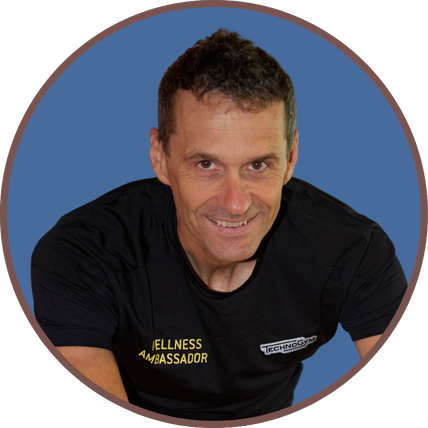
Exactly, it’s amazing to think how something so simple can have such beneficial effects on our body and mind. Physical activity brings numerous long-term health benefits, improving quality of life and contributing to the prevention and treatment of the most common non-communicable diseases.
According to data from Exercise is Medicine Italy, physical exercise reduces the risk of developing major health conditions—for example, type 2 diabetes, with a risk reduction of 50%; heart attack, by 40%; certain types of cancer such as breast and colon cancer, by 25%; dementia, by 21%; and depression. Obesity can also be countered, with a 10% reduction in risk.
Adopting a habit of regular physical activity is crucial, as these diseases are among the leading causes of mortality and disability worldwide.
So, no matter what our health condition is, the important thing is to keep moving?
Moving is essential! But it’s important to do it mindfully. A useful parameter to measure intensity is the MET, which indicates how much energy we expend compared to resting (1 MET). For example, a brisk walk equals 3–6 METs, while running exceeds 6 METs. The WHO recommends accumulating 500–1000 METs per week to gain benefits. This can translate into 30 minutes of brisk walking for 5 days a week, or a combination of activities of different intensities, depending on personal preferences.
Those who are healthy can gradually increase their physical activity without needing a medical evaluation. However, people with conditions such as hypertension or diabetes should follow an exercise program recommended by their doctor.
Very interesting! Doctors can truly make a difference in guiding patients toward physical activity that suits their health conditions. But how can they do this as effectively as possible, and how important is it for physicians to integrate exercise prescription into their daily clinical practice?
Prescribing physical exercise is essential. For this reason, together with the Wellness Foundation, we have updated Exercise is Medicine, a guide designed to help doctors promote and prescribe physical activity and exercise in clinical practice. First published 15 years ago, it is a comprehensive guide to exercise prescription, supporting physicians in providing the correct recommendations—tailored to the individual’s clinical condition—regarding:
Frequency (number of sessions per week)
Intensity (moderate or vigorous)
Duration (for example, in minutes or seconds, number of repetitions)
Type (which activity, which exercises)
Can we give our listeners a preview of this content? For the main health conditions, what exercise programs are recommended?
Guidelines vary depending on the condition:
- Cardiovascular diseases: Conditions affecting the heart or blood vessels, such as coronary heart disease or heart failure, are among the leading causes of mortality worldwide: in 2021, 20.5 million deaths were attributed to these causes, and an estimated 621 million people globally live with one or more of these conditions. Recommended exercise includes 20–60 minutes of light-to-moderate aerobic activity at least 3 days per week, plus 2–3 days of strength and flexibility exercises.
- Overweight/Obesity: According to the latest data, in 2020 the global prevalence of overweight and obesity reached 24% and 14%, respectively—almost 40% of the population. Recommendations include at least 5 days per week of moderate-to-vigorous aerobic activity, plus 2–3 days of strength and flexibility exercises.
- Type 2 Diabetes: Worldwide, more than 537 million adults (ages 20–79) have diabetes, representing 9.3% of the adult population. Type 2 diabetes is the most common form and is strongly linked to lifestyle. Guidelines suggest 3–7 days of moderate-to-vigorous aerobic activity, plus 2 days of strength training and 2–3 days of flexibility exercises per week.
- Depression: This example highlights the role of exercise in mental well-being. Physical activity and exercise serve as an alternative therapy for mild-to-moderate depression and are included in international guidelines. Recommendations include 2–3 sessions of aerobic activity and 2 strength sessions per week.
Physical exercise is not only crucial for improving quality of life and preventing the worsening of these conditions but also represents a strategic ally for the sustainability of healthcare systems. Promoting an active lifestyle reduces the need for medical care and the incidence of chronic diseases, helping to lower healthcare costs and ensure more sustainable resources for everyone.
Thank you, Silvano, for this overview. One final question to wrap up… what message would you like to leave for our listeners?
As we said, physical activity is a powerful tool for the prevention and management of chronic diseases. If you have health issues, consult your doctor: they will help you find a program suited to your needs, prevent complications, and improve your quality of life.
We’d also like to remind you of a great opportunity to get moving soon in Cortina, at the Cortina in Wellness event at the end of the month, on February 22–23, where physical activity will be the star of a weekend dedicated to well-being!
Exactly! In fact, for all our listeners, the appointment is on Friday, February 21, at 4:00 PM, with a special episode dedicated to Cortina in Wellness. Thank you so much, Silvano, it has been a pleasure!


